
Contents Claims & Insurance
Does Insurance Pay for a Contents Pack-Out? What Denver Homeowners Should Know
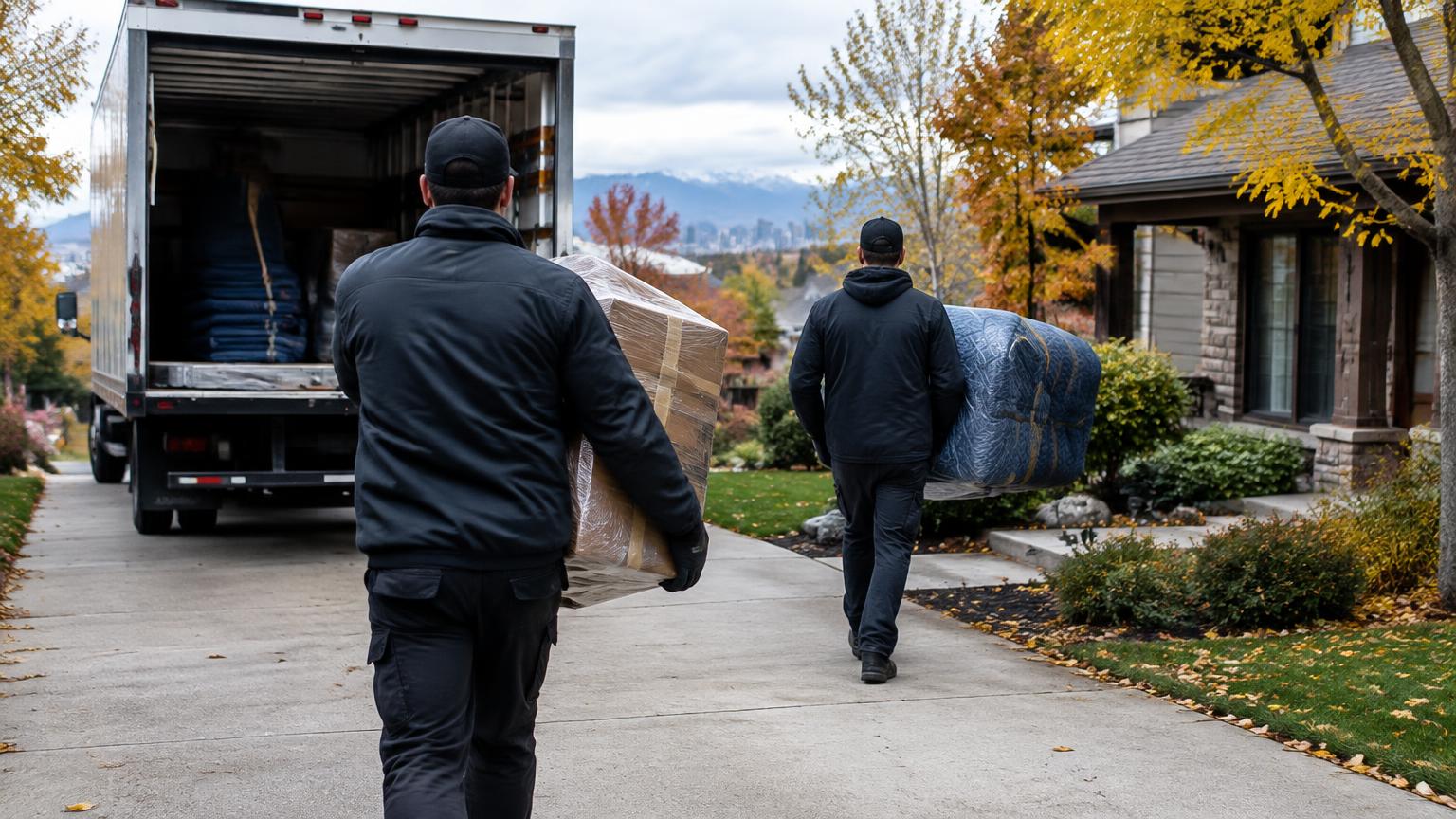
Insurance may pay for a contents pack-out when a covered fire, smoke, or water loss makes it necessary to remove and restore belongings. Coverage C commonly addresses affected personal property, but your policy and adjuster determine what is approved. CRDN of Denver documents the work for homeowners and insurance adjusters, from the first inventory through the return of restored items.
What is included in a contents pack-out?
A contents pack-out is a tracked process for removing affected belongings from a damaged home. It includes an item inventory, photographs, barcode tracking, protected transport, cleaning or specialty restoration, storage while the property is being repaired, and eventual return. Each stage should leave a record so items can be accounted for throughout the claim.
The crew starts by documenting rooms and individual belongings before moving them. Items are sorted by material and condition. Furniture may be wrapped for transport, while fragile goods and electronics need their own handling. At the facility, pieces move to teams suited to their materials rather than receiving one generic cleaning method. CRDN handles content, textile, electronics, and art restoration in house. Storage keeps cleaned goods away from the damaged property until they can be delivered, unpacked, and placed back in the home. We serve homeowners in Aurora after a covered fire damage or water damage loss that requires removing belongings for restoration.
Does Coverage C pay for pack-out and storage?
Contents coverage, often called Coverage C, commonly addresses personal property affected by a covered loss. Necessary inventory, transport, cleaning, and storage may be part of the approved contents work. Coverage is not automatic for every event or item: check your policy, ask your adjuster what is authorized, and confirm storage arrangements before work begins.
A sudden plumbing failure, a covered fire, and outside flooding can have very different coverage treatment. The cause of loss matters as much as the condition of the belongings. Keep the claim number and your adjuster's contact information available so the restoration team can coordinate the scope. If approval is pending, ask which steps can proceed and how expenses will be handled. Do not assume every box in the house needs to leave; an item-by-item inventory makes it easier to justify the work that is actually necessary.
What does the homeowner pay for a pack-out?
On an approved contents claim, CRDN of Denver bills the insurance carrier directly for covered restoration work. The homeowner remains responsible for the policy deductible and any work chosen outside the approved claim. Ask your adjuster how your deductible applies and confirm any optional work before authorizing it.
Your deductible belongs to the policy and claim, not to a standard pack-out price. The amount and whether an item is covered depend on your own documents and the carrier's decision. If a requested service falls outside the approved scope, get that distinction in writing before work starts. Save claim correspondence and copies of any inventory you receive so you can compare proposed work with the carrier's approval. For a fire claim, the house fire contents guide explains how items are assessed for restoration rather than replacement.
What documentation does the adjuster need?
Adjusters need a clear inventory tied to the loss, photographs of affected items, a record of what was removed, and an assessment of what can be restored. Tracking numbers and condition notes help connect the pack-out to cleaning, storage, and return. Documented total-loss items need their own records for replacement review.
Photograph each affected room before items move, including the location and visible damage. Point out items with no obvious surface damage that were exposed to smoke or water. CRDN photographs and catalogs pieces and assigns chain-of-custody barcodes before they leave the property. Its restoration records and quality checks show what happened afterward. Keep your own copy of the inventory and flag missing descriptions promptly. Our room-by-room contents inventory guide offers a practical list of fields to record. When water is part of the loss, the first steps after water damage can help you document items before the crew arrives.
What happens to items that cannot be restored?
Items beyond restoration are documented rather than quietly thrown away. The team records their condition and identifies them for the adjuster's replacement review. Direct heat damage or contamination can make cleaning inappropriate, even when other belongings from the same room can be saved. The insurer makes the coverage decision.
Ask for a clear distinction between items proposed for restoration and items classified as total loss. This is particularly important when contents look similar but have different damage, such as a washable dish beside heat-damaged plastic. Photographs and itemized notes give the adjuster a basis for reviewing both categories. Do not discard a disputed item before the team and adjuster have documented it unless keeping it would be unsafe. Likewise, do not power on smoke-exposed electronics to make a quick keep-or-replace decision. They need professional evaluation and testing first.
What should you do before the pack-out crew arrives?
Make the scene safe, document affected rooms, and identify belongings you need access to before removal. If it is safe, leave damaged items where they are until photographed. Gather your claim details and ask your adjuster about the approved scope. The crew can then build a more accurate inventory and prioritize specialty items.
- Photograph each affected room and the condition of visible belongings.
- Keep your claim number and adjuster's contact details handy.
- Point out fragile art, photos, documents, and sentimental items.
- Identify clothing and essentials you may need before the home is ready.
- Do not power on wet or smoke-exposed electronics.
- Ask for a copy of the inventory and confirm how stored items will be tracked.
- Check with your adjuster before discarding damaged goods.
Ready to discuss the work? Explore CRDN's content restoration and pack-out service for inventory, cleaning, and return, or contact the Denver team about your claim. A conversation about what is damaged, what is covered, and what you need back first can make the next steps clearer.
Insurance claim questions, answered
- Does homeowners insurance cover a contents pack-out?
- It may when belongings need removal after a covered loss. Coverage C commonly addresses affected personal property, but your policy and adjuster determine the approved scope, including cleaning and storage.
- Is storage included in a contents claim?
- Storage may be part of approved contents work when belongings must remain outside the home during repairs. Ask your adjuster what your policy covers and confirm the arrangements.
- Do I pay the pack-out company directly?
- For approved covered contents work, CRDN of Denver bills the carrier directly. You remain responsible for your deductible and any work you choose outside the approved claim.
- How are my belongings tracked during pack-out?
- Items are photographed, cataloged, and assigned chain-of-custody barcodes before leaving your property. The inventory tracks their movement through the facility and back to your home.
- What if an item cannot be cleaned?
- The item is documented with its condition for the adjuster's replacement review. Do not discard it before documentation unless safety requires immediate removal.
- Should I photograph my rooms before pack-out?
- Yes. Photograph affected rooms and belongings before items move, if it is safe to do so. Those images help connect the inventory to the loss and support your adjuster's review.
Keep reading
Fire & Smoke Damage Cleanup
What Can Be Saved After a House Fire in Denver? A Contents Restoration Guide
From furniture and textiles to electronics and photos, learn what can be restored after a house fire and how each item is evaluated.
Read the guideWater Damage Contents Restoration
Water Damage in Denver: What to Do With Your Belongings in the First 48 Hours
The first 48 hours after a water loss decide what you keep and what you lose. A step-by-step Denver guide to protecting your belongings and your claim.
Read the guideElectronics Restoration After Fire, Smoke & Water
Can Smoke-Damaged Electronics Be Restored? A Denver Owner's Guide
Smoke residue keeps eating electronics long after a fire. Here's how professional labs restore TVs, stereos, and computers, and what your policy pays for.
Read the guideContents Claims & Insurance
How to Make a Contents Inventory List for an Insurance Claim in Colorado
A practical room-by-room list for documenting damaged belongings, matching photos, and separating restorable items from total losses.
Read the guide