
Contents Claims & Insurance
How to Make a Contents Inventory List for an Insurance Claim in Colorado
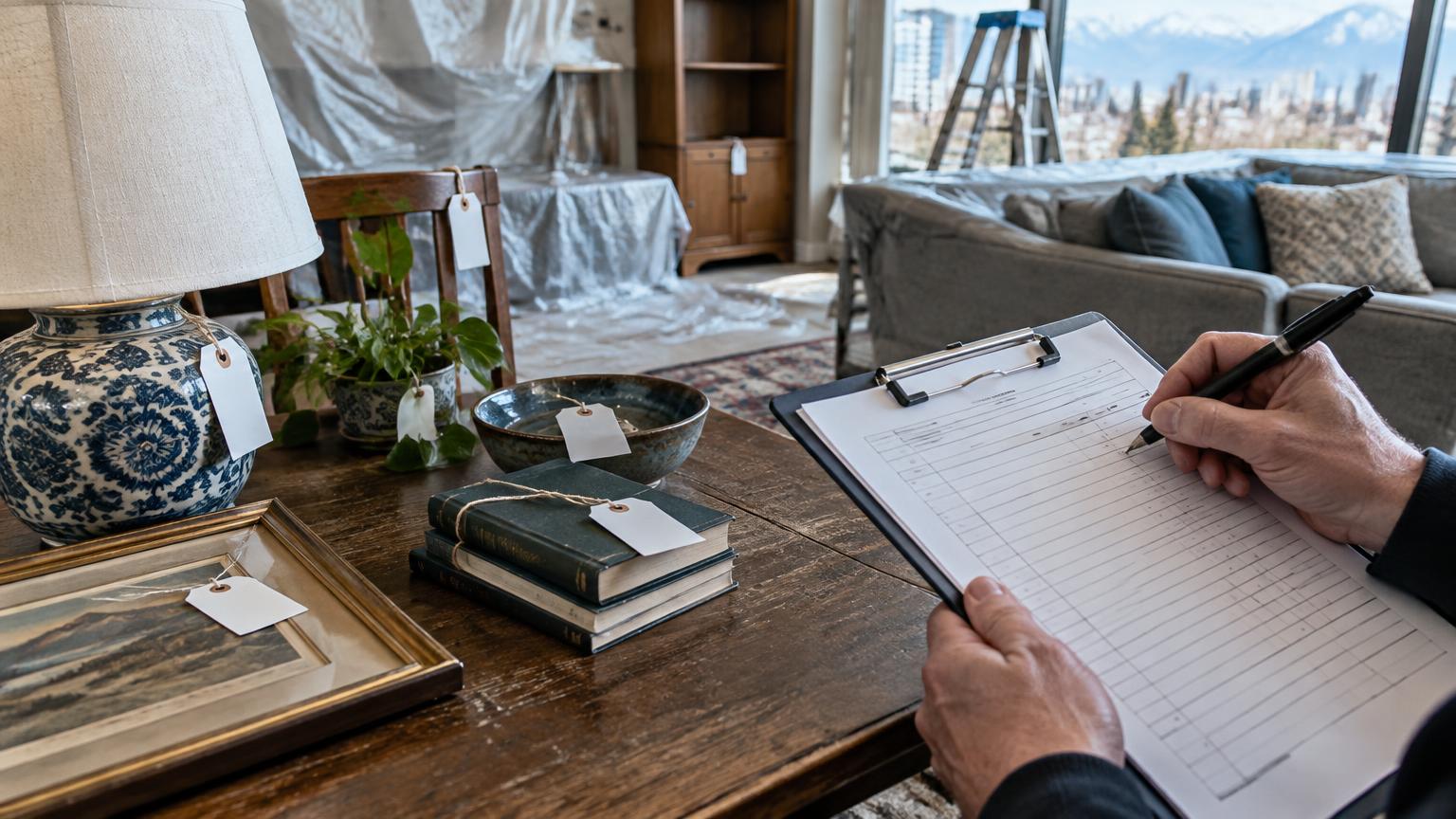
A contents inventory list for an insurance claim should name each affected item, its room, description, condition, and a matching photo. Add approximate age and receipts if available. After a fire or water loss in Colorado, build the list room by room and keep it alongside the claim documentation your adjuster reviews. CRDN of Denver's photographed, barcoded pack-out inventory can support that record.
What belongs on a contents inventory list?
Record the room, item name, distinguishing description, condition after the loss, and whether you took a photo. Include approximate age and a receipt if you have one, but do not stop documenting because paperwork is missing. Note whether the item appears restorable or needs assessment for total loss.
A useful entry says more than "chair" or "electronics." Describe the material, visible features, and where the item was found. Keep the original condition and the damage observations separate when possible. A photo of the entire room shows context; a closer image helps identify the item. If you cannot safely enter an affected area, note what is inaccessible and return to it when permitted. Your own list and the restoration team's inventory can complement each other. The insurer decides coverage and valuation under your policy; the list simply helps make sure each affected item gets reviewed. We serve homeowners in Lakewood after a fire damage or water damage loss that affects household contents.
| Room | Item | Description | Condition | Photo taken? | Restorable or total loss |
|---|---|---|---|---|---|
| Living room | Side table | Wood table with lower shelf | Smoke residue on finish | Yes | Needs assessment |
| Bedroom | Comforter | Quilted fabric, stored in closet | Smoke odor | Yes | Needs assessment |
| Kitchen | Serving bowl | Glazed ceramic bowl | Soot on surface | Yes | Needs assessment |
The examples show the level of description, not a prediction of what an adjuster will approve. Add an approximate age and any available receipt reference to your own copy. If the same type of item appears several times, give each a separate description or photo reference so it can be matched to the correct place during pack-out.
How should you build the list after a fire or water loss?
Start with wide photos of each safe-to-enter room before moving anything, then work methodically through visible items, cabinets, drawers, closets, and storage areas. Give each item a distinct entry and photo where practical. If something must be moved for safety, document its original location first when possible.
Fire losses may involve soot or smoke in rooms far from the flames. Water can reach furniture bases, papers, and textiles beyond the obvious wet patch. Note both the visible damage and the exposure you observed. Do not switch on wet or smoke-exposed electronics just to complete a list. Set aside a note for items you cannot reach yet so they are not forgotten. When a crew arrives, compare your room list with its pack-out record. Our water damage first steps guide explains why early photographs matter when belongings are wet.
How does CRDN's barcode inventory help your claim?
CRDN photographs and catalogs affected items, assigns tracking barcodes, and records them before they leave the property. That chain-of-custody record connects an item removed from a room to its treatment, storage, and return. Your own list can supply details such as approximate age or receipts that the crew may not have.
The team's process is especially useful when a loss involves many rooms and different restoration categories. Furniture, textiles, electronics, and art follow separate treatment paths, but the records still identify what was taken. Ask for a copy of the inventory and flag any unclear descriptions while details are fresh. The barcode is not itself a coverage decision; it is a way to track custody. The adjuster reviews documentation alongside policy terms and the proposed work. The contents pack-out insurance guide explains how removal and storage can fit a covered claim.
Which inventory mistakes make review harder?
Common mistakes include discarding items before photographing them, using vague labels, and forgetting what was inside closets, cabinets, and storage areas. Another is combining several different items into one line without individual photos. An inventory should help someone who was not in your home identify what was affected.
If an item seems beyond cleaning, document it rather than immediately removing it from the record. If you lack a receipt, record the information you do have instead of guessing. A view of the item's original location can be helpful alongside a close-up of damage. Do not assume an object without visible soot was untouched; note its exposure if it was in a smoke-affected room. Equally, do not label everything a total loss before a material-specific assessment. The house fire contents guide explains why apparently similar household objects may have different outcomes.
Should restorable and total-loss items be listed separately?
Yes, keep distinct working lists for items proposed for restoration and items assessed as total loss, while preserving the original room-by-room inventory. This helps your adjuster see what was treated and what needs replacement review. Mark uncertain items as needing assessment rather than making a final decision yourself.
A charred item and a sooty but structurally intact item should not receive the same description. CRDN's item documentation can record condition and proposed treatment; the adjuster uses the policy and evidence to decide the claim. Keep photographs for both categories. Do not discard a total-loss item before it is documented unless safety requires removal. Where an item has sentimental value, flag it for a separate conversation about restoration options. Being specific helps the team understand what matters to you without assuming the insurer will authorize every request.
What should you do with the list once it is complete?
Share your room-by-room inventory and supporting photos with your adjuster, then compare them with the pack-out record if belongings are removed. Keep copies and note any corrections or newly discovered items. The policy and adjuster determine the approved scope, so treat the list as evidence rather than a promise of payment.
If a room was inaccessible at first, return to its contents when it is safe and add clearly identified entries. Keep receipts or other existing records with the relevant item where available. For help documenting and restoring household goods, see CRDN'sDenver content restoration service, or contact the team about an assessment. A careful inventory gives everyone involved a clearer picture of the belongings that need attention after the loss.
Insurance claim questions, answered
- What should a contents inventory for insurance include?
- Include the room, item, identifying description, observed condition, and photos. Add approximate age and receipts if available, plus a note about whether restoration needs assessment.
- Do I need receipts for every damaged item?
- Include receipts if you have them, but document the belongings you can identify even when paperwork is missing. Your policy and adjuster determine what additional evidence is needed.
- Should I throw out damaged contents before the adjuster sees them?
- Avoid discarding items before they are photographed and documented unless keeping them would be unsafe. Ask your adjuster about the process for total-loss items.
- How detailed should each inventory entry be?
- Give each item a room, useful identifying details, its condition, and a matching photo where practical. Vague entries such as 'furniture' make review harder.
- Does CRDN provide an inventory during pack-out?
- CRDN photographs, catalogs, and assigns tracking barcodes to items before they leave the property. Ask for a copy and compare it with your own room-by-room list.
- Who decides whether an item is restorable or a total loss?
- The restoration team documents condition and treatment options. The insurer and adjuster make the claim decision under your policy. Mark uncertain items for assessment.
Keep reading
Contents Claims & Insurance
Does Insurance Pay for a Contents Pack-Out? What Denver Homeowners Should Know
Understand when a covered claim may include pack-out, how your belongings are tracked, what adjusters need, and what you may pay.
Read the guideFire & Smoke Damage Cleanup
What Can Be Saved After a House Fire in Denver? A Contents Restoration Guide
From furniture and textiles to electronics and photos, learn what can be restored after a house fire and how each item is evaluated.
Read the guideWater Damage Contents Restoration
Water Damage in Denver: What to Do With Your Belongings in the First 48 Hours
The first 48 hours after a water loss decide what you keep and what you lose. A step-by-step Denver guide to protecting your belongings and your claim.
Read the guide