
Fire & Smoke Damage Cleanup
Can Smoke-Damaged Artwork Be Restored? Denver Art Restoration After a Fire
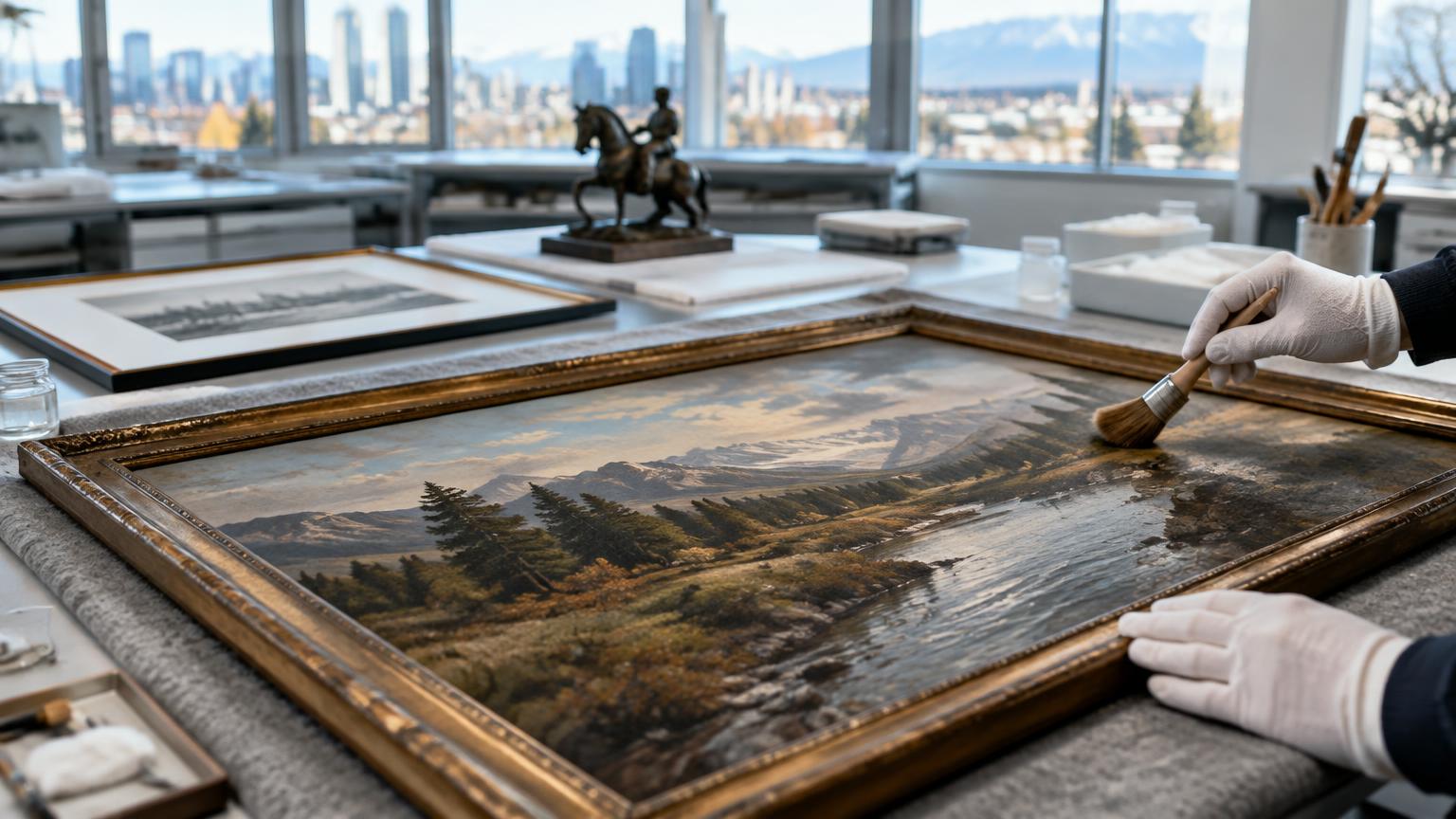
Smoke-damaged artwork can sometimes be restored, but the safest method depends on the material, finish, frame, and extent of soot exposure. CRDN of Denver evaluates paintings, prints, photographs, and sculpture individually after a smoke damage loss. Do not wipe a canvas or framed work to test whether the residue will come off. Document the piece and have its condition assessed first.
Can paintings and framed prints be cleaned after smoke damage?
Some paintings and framed prints can be treated after smoke exposure, but the answer depends on what the work is made of and where the residue settled. Oil, acrylic, watercolor, paper, and mixed media do not respond to the same treatment. A specialist assesses the surface and the frame before selecting a method.
A framed landscape may have soot on its glazing, frame, backing, and painted surface. Cleaning one layer does not tell you what happened to the others. A print behind glass may need attention to its frame and paper even if the visible image looks unaffected. CRDN's art service documents the piece before work begins, including photographs, measurements, signatures, and identifying marks. Treatment is selected to preserve the work rather than simply make it look clean. Ask that the condition of each layer be recorded before anyone separates the piece from its frame. We serve homeowners in Boulder, and insurance adjusters can find our documentation standards on the adjuster page.
What should you avoid doing to smoke-exposed artwork at home?
Avoid rubbing a canvas, spraying household cleaner on a frame, or wiping glazing while soot remains on the surrounding materials. Home cleaning can move residue across a surface or into edges and seams. Photograph the work where it is safe to do so and leave treatment to a material-specific assessment.
Also avoid deciding that a painting is undamaged simply because it has no visible black streaks. Smoke particles can reach rooms away from the fire and settle on surfaces that look clean. An odor in paper or a frame is a different problem from residue on glass. Do not unframe a photograph or stack unprotected artworks while moving furniture out of the house. If the room is unsafe, wait until access is cleared. For the wider range of household items affected by fire, our house fire contents guide explains what is typically assessed for restoration.
| Art type | Common smoke issues | What to avoid at home |
|---|---|---|
| Paintings on canvas | Surface residue and odor in the support or frame | Wiping or applying household cleaner to the paint |
| Framed prints and drawings | Residue on glazing and frame, odor in paper | Opening the frame or rubbing the paper |
| Photographs | Residue on glazing or photo surface | Peeling a print from its backing |
| Sculpture | Residue in crevices; material-specific finish concerns | Scrubbing with an untested solution |
| Decorative frames | Soot caught in joints and ornament | Brushing loose decoration or wetting the finish |
How are sculpture, photographs, and frames assessed differently?
Each material calls for its own damage assessment. A stone sculpture, a wood carving, an original photograph, and a gilded frame have different surfaces and vulnerabilities. The restoration team identifies the material, documents visible damage, and considers whether a treatment can preserve the piece's integrity before work begins.
Some objects have several materials in one assembly. A framed photograph can combine glass, a paper print, a mat, a backing, and a wooden or metal frame. A mixed-media piece can include materials that need different handling. The art service describes distinct approaches for paintings, watercolors, and sculpture. It also records treatment as work proceeds, creating a report useful for insurance and appraisal records. Tell the team about a signature, a family history, or an existing appraisal so the initial photographs capture identifying details. Avoid assuming that a decorative frame is replaceable when it belongs with an original work.
How is art packed and tracked during restoration?
Art enters a documented pack-out rather than a general pile of household goods. Its condition and identifying marks are photographed, then the piece is protected for transport and tracked as it moves through treatment and storage. The record helps the homeowner and adjuster identify the same piece at return.
Explain which works are fragile before the crew begins moving items. Point out loose frames, cracked glazing, or pieces with special mounting needs. CRDN's contents process photographs, catalogs, and barcodes items before they leave the property. The art service adds documentation throughout treatment and delivers and reinstalls pieces in the home. Keep a copy of the initial inventory, including each artwork's description, and ask how the team will distinguish similar pieces. For questions about transport, cleaning, and storage on an approved claim, read the contents pack-out insurance guide.
How does a smoke-damaged art claim handle valuable pieces?
Artwork is documented as part of the contents loss, but coverage and valuation depend on your policy and adjuster. Photograph the work and its damage, and gather any existing appraisal, purchase record, or provenance information. For a particularly valuable piece, ask your adjuster whether it was scheduled separately on your policy.
Do not rely on a quick visual estimate or discard damaged components before they are recorded. CRDN's art process documents measurements, signatures, treatment, and the piece's condition. Those records support the discussion about what can be restored and what should be reviewed for replacement. An art assessment is not a guarantee of coverage or a substitute for the insurer's decision. If you have several works, list each one individually rather than grouping them as "art." This keeps the treatment history and claim records tied to the correct item.
When should you arrange an art restoration assessment?
Arrange an assessment before trying to remove soot yourself, especially for original paintings, photographs, framed works, and sculpture. Smoke residue can continue affecting materials after the fire is out, while an untested cleaning method can make treatment harder. Document the location and condition of each piece first.
Describe whether the piece was exposed to heat, smoke, or water used during firefighting. That context can change how it is handled. CRDN's Denver art restoration service explains its assessment, documentation, treatment, and return process. Share existing records with your adjuster and ask the restoration team what can be assessed without moving a fragile item immediately. The goal is an informed item-by-item decision, not a promise that every artwork can be made as it was before the loss.
Insurance claim questions, answered
- Can a smoke-damaged painting be restored?
- Sometimes. The paint, support, finish, frame, and extent of exposure all matter. A specialist should assess the piece before any cleaning is attempted.
- Should I wipe soot off a painting or framed print?
- No. Rubbing or applying household products can move residue and affect sensitive surfaces. Document the work and have its materials assessed first.
- Can photographs be restored after smoke exposure?
- Some photographs and framed pieces can be evaluated for treatment. Glazing, paper, backing, and frame can each have different damage and handling needs.
- How is valuable artwork documented for insurance?
- Photographs, measurements, signatures, identifying marks, and treatment records help identify the piece and document its condition for the adjuster.
- Does contents coverage include artwork?
- Artwork may be addressed in a covered contents claim, but terms vary. Ask your adjuster about your policy and whether a valuable piece was scheduled separately.
- How is artwork tracked during pack-out?
- CRDN documents identifying features and condition, protects pieces for transport, and tracks them through treatment, storage, and return.
Keep reading
Fire & Smoke Damage Cleanup
What Can Be Saved After a House Fire in Denver? A Contents Restoration Guide
From furniture and textiles to electronics and photos, learn what can be restored after a house fire and how each item is evaluated.
Read the guideContents Claims & Insurance
Does Insurance Pay for a Contents Pack-Out? What Denver Homeowners Should Know
Understand when a covered claim may include pack-out, how your belongings are tracked, what adjusters need, and what you may pay.
Read the guideElectronics Restoration After Fire, Smoke & Water
Can Smoke-Damaged Electronics Be Restored? A Denver Owner's Guide
Smoke residue keeps eating electronics long after a fire. Here's how professional labs restore TVs, stereos, and computers, and what your policy pays for.
Read the guide